News
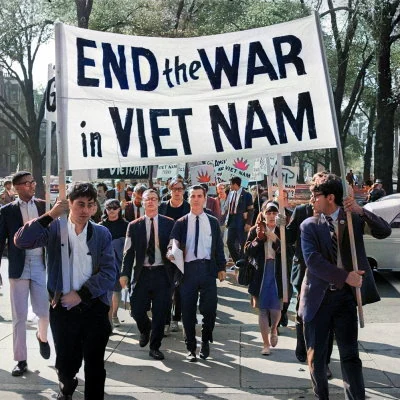
The anti-war movement grows in the US and worldwide as the Vietnam conflict escalates. US college students begin demonstrating against the Vietnam War and the "draft" as more American troops are deployed.
The anti-war movement grows in the US and worldwide as the Vietnam conflict escalates. US college students begin demonstrating against the Vietnam War and the "draft" as more American troops are deployed.

A slag heap from a local coalmine slides down the mountain into Aberfan, South Wales, UK. The landslide destroys homes and a junior school killing 144 people. Over 100 of the victims are school children aged 7 to 10.
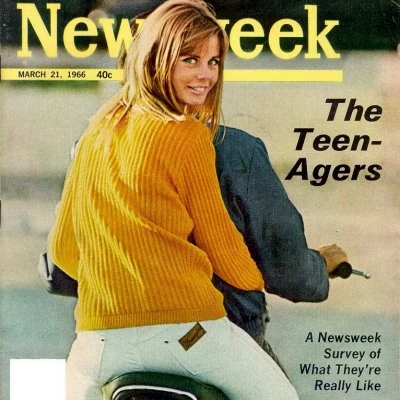
Newsweek turns its attention to the growing influence of teenagers. As the baby-boom generation reaches adolescence, its clothes, spending habits and favorite music become increasingly hard for businesses and the media to overlook.
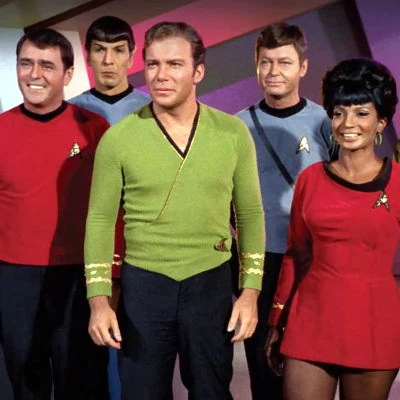
Star Trek launches on NBC in 1966, sending the Enterprise into space under Captain James T. Kirk. Gene Roddenberry’s series mixes adventure with questions about prejudice, power and cooperation, attracting devoted viewers during its original three-season run and an even larger following afterward. First broadcast: September 8, 1966.
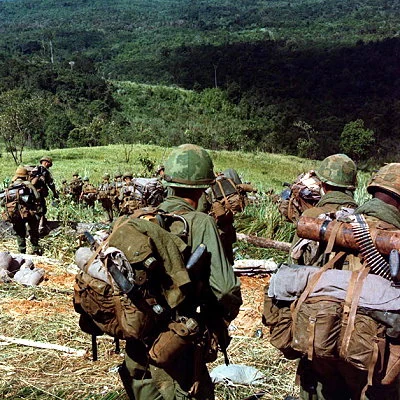
American troop numbers in Vietnam rise sharply in 1966 as President Johnson expands the war. The draft and student deferments become increasingly contentious, dividing families and campuses. The nationally televised draft lottery is still several years away, beginning in 1969.
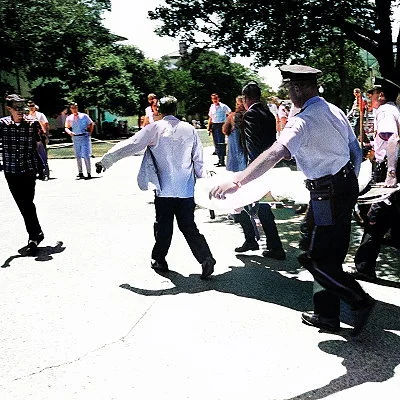
The University of Texas at Austin comes under fire as Charles Whitman shoots students from the 28th floor observation deck of the Texas Tower. 14 people are killed and 31 wounded before Whitman is shot to death by a police officer.
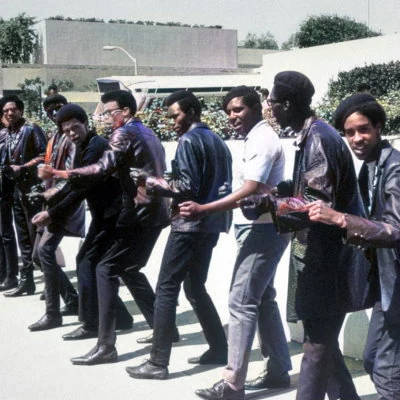
The Black Panther Party for Self Defense is founded in Oakland, California by Huey Newton and Bobby Seale. The Black Panthers would spread to other cities with a goal of providing protection against police brutality, along with other social programs. The group deploys armed citizen patrols in African American neighborhoods and has several fatal clashes with police.
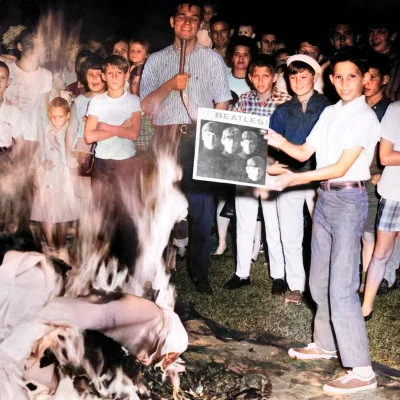
"We're more popular than Jesus now" is part of a quote from Beatle John Lennon that creates a furor with US radio stations and church groups in the southern "bible belt". Leading to a ban on Beatles records on some stations and church organized record burnings.
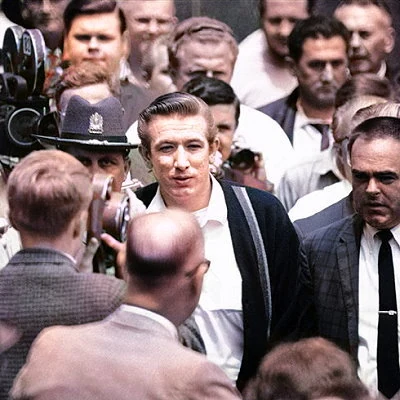
Richard Speck murders eight student nurses in Chicago in July 1966. The attack shocks the country, with the young women’s lives and the account of a surviving roommate turning the crime into one of the year’s most disturbing news stories.
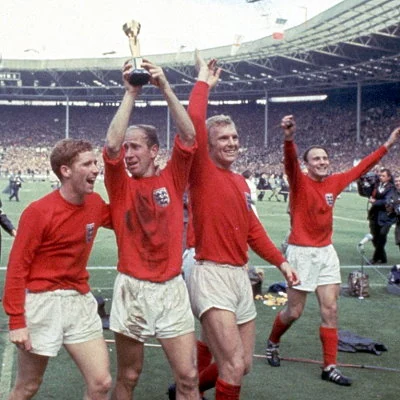
England defeats West Germany in the 1966 World Cup final at Wembley. The home crowd gets a championship to celebrate, with an extra-time finish making the match one of the most talked-about occasions in English football.
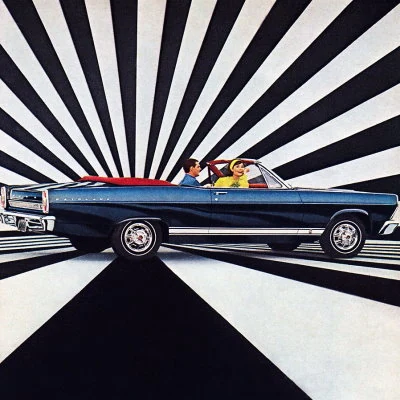
Ford puts a long convertible against a bold graphic background. The dramatic lines and strong contrast make the car look right at home in the increasingly colorful advertising world of the mid-sixties.
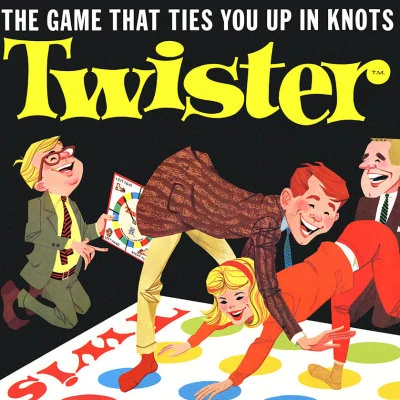
Twister asks players to put hands and feet on colored circles without falling over. A simple floor mat turns a gathering into a tangle of limbs, laughter and increasingly awkward positions.
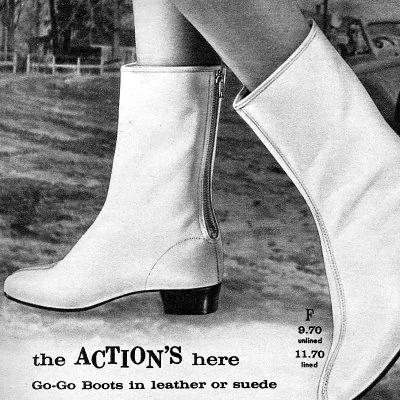
Go-go boots give a short skirt a strong finishing touch. The clean, ankle-high shape suits the simple lines of mid-sixties clothes, bringing a little dance-floor energy into everyday fashion.
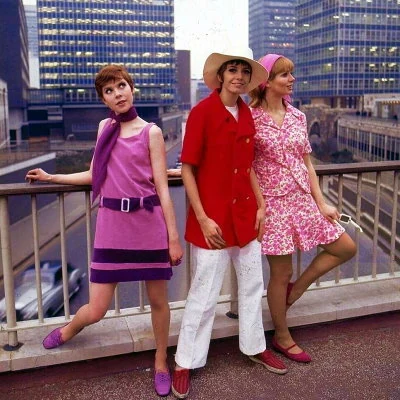
Bright dresses, pale trousers and a playful mix of hats give these British models a relaxed, youthful look. Fashion is becoming more about enjoying the outfit than looking formally dressed for an occasion.
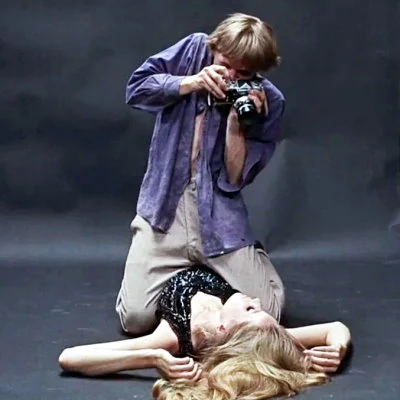
A fashion photographer begins to question what he has seen in Blow-Up. Michelangelo Antonioni’s 1966 film uses swinging London, stylish clothes and an apparent mystery to create a mood in which photographs reveal more—and less—than the viewer expects. Released December 1966.
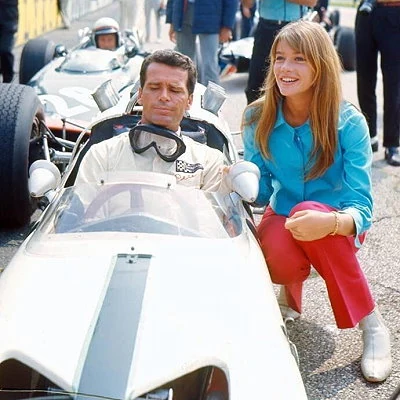
James Garner and Françoise Hardy appear in Grand Prix. The 1966 racing drama brings speed, danger and international glamour to the big screen, with racing footage and an elaborate visual style making the cinema feel unusually close to the track. Released December 1966.
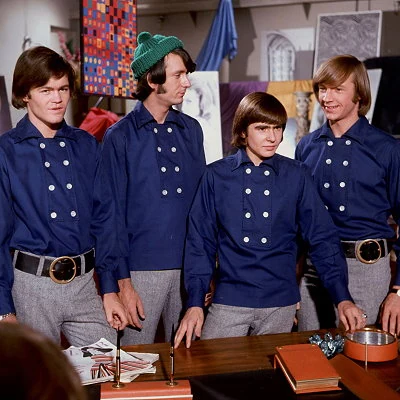
The Monkees television series debuts on NBC TV in the US. The sitcom follows a group of four young men searching for success as a rock band and is heavily influenced by the first two Beatles films. The series would air until 1968. First broadcast: September 12, 1966.
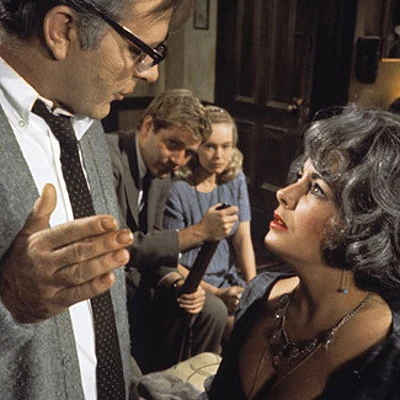
Elizabeth Taylor and Richard Burton turn a late-night gathering into emotional combat in Who’s Afraid of Virginia Woolf? The 1966 adaptation of Edward Albee’s play strips away Hollywood glamour for a raw portrait of marriage, with Taylor winning the Best Actress Oscar. Released June 1966.
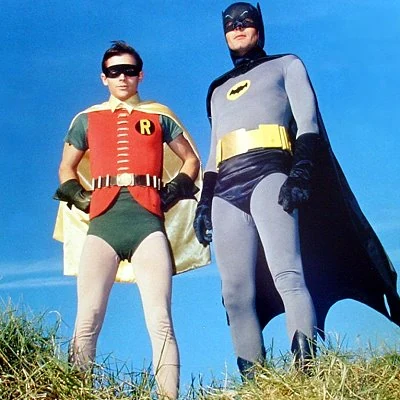
Batman and Robin arrive on ABC in 1966, with Adam West and Burt Ward bringing DC Comics’ heroes to television. Bright colors, comic-book sound effects and knowingly exaggerated villains give the series a playful style far removed from later, darker versions of Batman. First broadcast: January 12, 1966.
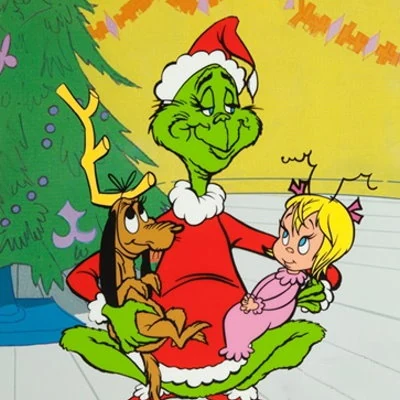
The holiday program How The Grinch Stole Christmas airs for the first time. The show is an animated version of the 1957 Dr. Seuss book of the same name created by Chuck Jones. The program features narration and voice acting by Boris Karloff. First broadcast: December 18, 1966.